Mains vs. Home Issues: Kent's Low Water Pressure
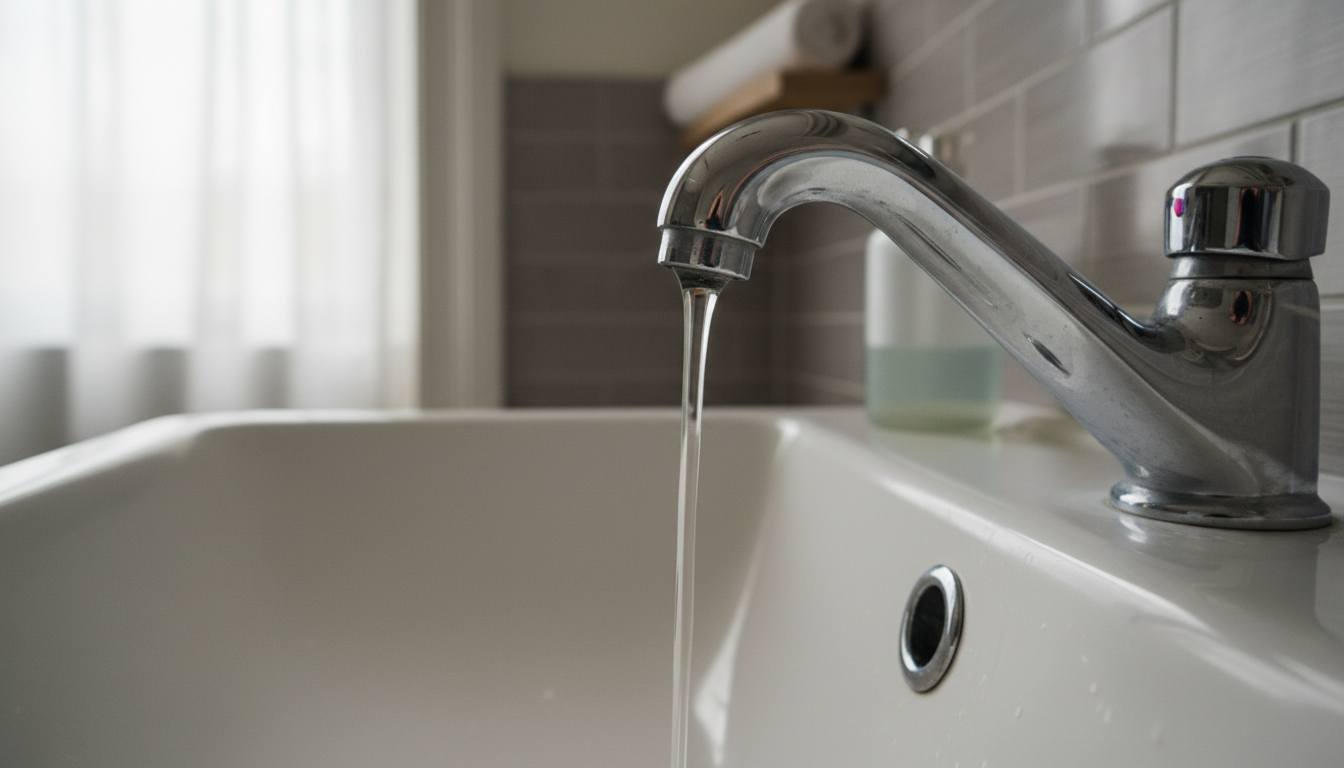
Low water pressure is one of those problems that makes every routine job take longer. If the shower is weak, the bath takes ages to fill, or appliances are struggling, the key is working out whether the problem sits with the water company or somewhere inside your own plumbing.
📺 Watch: BOILER KEEPS LOSING PRESSURE - WHY AND HOW TO FIX - Plumbing tips — plumberparts
Is Low Water Pressure a Problem in Your Kent Home?
Low water pressure in Kent homes often shows up as weak showers, slow filling sinks, and appliances that don’t quite perform. When we say “low” water pressure, we’re generally talking anything below 1 bar (about 14.5 PSI) — but honestly, you’ll know it when you feel it. A healthy flow should fill a 10-litre bucket in under a minute, ideally closer to 30 seconds. If it’s taking longer, you’ve got a pressure dip.
Maybe your morning shower is more of a drizzle than a proper rinse. Or the kettle takes far too long to fill. These are classic symptoms, and it is not just about convenience — your washing machine may take longer to fill, or your dishwasher might not clean properly.
The Big Question: Is It The Water Company or Your Pipes?
To diagnose low water pressure in Kent, first check with neighbours and your water company (South East Water or Southern Water) for alerts, then test pressure at multiple internal taps to differentiate between external supply issues and internal plumbing faults. This is often the first, most important step.
📺 Watch: How your House Plumbing Works — MEP Academy
The easiest way to start? Ask your neighbours. Are they experiencing similar issues? If everyone on your street in Maidstone or Canterbury is getting a trickle instead of a flow, it’s likely an external problem — burst main, planned maintenance, or high demand.
Next, identify your water supplier. For much of Kent, you’ll be with South East Water. Closer to the coast — Folkestone or Dover areas — you might have Southern Water. Both have websites where you can check for service updates. Head to the South East Water website or Southern Water website to see if there are problems in your postcode.
If neighbours are fine and no official alerts, time to investigate inside. Try the “bucket test” — find a 10-litre bucket and stopwatch. Turn your kitchen tap to full blast and time how long it takes to fill. Should be less than 60 seconds, ideally 30. Repeat at different points. Low everywhere? Problem’s near your main stopcock or incoming supply. Only low upstairs? Localised issue in your internal pipework.
If the bucket test is low at every outlet and your neighbours are affected too, that points you back towards the external supply rather than anything inside the house.
Common Causes of Low Water Pressure Inside Your Kent Home
In older Kent homes, corroded or scaled internal pipework is a frequent culprit for low water pressure, restricting flow and requiring professional descaling or pipe replacement. Once you’ve ruled out your water company, the spotlight turns to your internal plumbing.
One of the most common issues — particularly in Kent’s beautiful period properties (Victorian terraces in Tunbridge Wells, Edwardian homes in Maidstone) — is corroded or blocked pipes. Over decades, mineral deposits (limescale, especially in hard water areas) and general sludge build up inside pipework. This narrows the internal diameter, restricting flow and causing pressure drops.
Got old galvanised iron pipes (common pre-1970s)? They’re particularly prone to rusting and internal corrosion. Lead pipes should also be replaced if they are still present, and heavy internal scaling can dramatically reduce flow.
Another sneaky culprit? Leaking pipes. A hidden leak — behind a wall, under floorboards, or in your garden — can divert significant water away from taps, causing noticeable pressure drops. The water might not even be visible if it’s soaking into foundations, but you’ll certainly feel the pressure loss.
Water pressure regulators can fail too. These devices (often installed where mains water enters) protect plumbing from excessively high pressure, but when they fail, pressure can plummet. A plumber can check if yours is working correctly.
Sometimes it’s the simple stuff. Check all your shut-off valves — main stopcock where water enters, plus individual isolation valves for appliances or bathrooms. If any are partially closed (maybe after DIY work, or knocked by accident), they’ll restrict flow. Bit of a faff checking them all, but worth ensuring they’re fully open.
For those with water softeners or filtration systems, these can sometimes cause issues. Faulty, clogged, or systems needing backwashing can impede flow and reduce pressure. Plumber can usually diagnose this quickly.
Finally, and this is often the easiest fix, check for blockages in showerheads or faucet aerators. These small mesh screens mix air with water for smooth flow, but they’re limescale magnets. When clogged, perceived pressure at that outlet drops dramatically, even if pipe pressure is fine.
Hot Water Pressure vs. Cold Water Pressure: What’s the Difference?
If only your hot water pressure is low, the issue often lies with your boiler, hot water cylinder, or hot water pipework, rather than the main incoming cold water supply. This distinction helps narrow things down immediately.
If cold water’s gushing beautifully but hot water’s barely a trickle, you can rule out main supply issues and focus on your hot water system.
Many Kent homes rely on combi boilers for instant hot water. These heat water on demand from mains supply. If your combi isn’t delivering good hot water pressure, common causes include limescale build-up in the plate heat exchanger (restricts flow) or a faulty diverter valve (switches between heating radiators and hot water).
Poor hot water pressure can come from a partially blocked hot water pipe or a scaled heat exchanger in the combi. For any gas boiler work, your plumber must be Gas Safe registered — always check their credentials.
Traditional systems with hot water cylinders (vented or unvented) have different causes. Vented systems (with cold water tank in loft) — low pressure often means cylinder not filling properly, blockage in pipework from cylinder, or feed issues from cold water tank. Unvented cylinders are pressurised from mains and should offer good pressure. If not, could be faulty pressure relief valve, expansion vessel issues, or internal blockages.
Sometimes it’s simply a blocked or faulty hot water pipe to a specific tap/shower rather than whole system. Like cold pipes, hot water pipes accumulate scale and debris, reducing internal diameter. Because hot water’s often used in showers where perceived pressure matters, these blockages become very noticeable.
Troubleshooting Steps for Kent Homeowners
Simple troubleshooting for low water pressure includes checking the mains stopcock, cleaning aerators, and timing a bucket fill to quantify flow rate before contacting a plumber or water company. Before reaching for the phone, there are a few simple, safe checks.
First off, check all taps. Is low pressure affecting just one tap/shower or widespread? Isolated to one fitting? Likely that fitting itself (blocked aerator, faulty cartridge). Everywhere? Problem’s further back in your system.
Next, locate and check your mains stopcock. Usually found where main water enters — under kitchen sink, utility room, or outside meter box. Make sure it’s fully open. Turn clockwise until it stops, then back quarter turn. Sometimes after repair or maintenance, it might not have been fully reopened.
While checking, inspect visible pipes for leaks. Pay attention to mains entry area, under sinks, near appliances. Even small, slow drip can impact pressure over time. Look for damp patches, water stains, or dripping sounds.
One of the quickest fixes for localised low pressure is to clean your showerheads and faucet aerators. For showerheads, unscrew and soak in descaling solution (white vinegar) overnight. For taps, unscrew the small cap on the end of the spout, clean the mesh filter thoroughly under running water, and remove any grit or limescale.
Finally, remember that bucket test we mentioned? Gives you quantifiable measure of flow rate. Clear number to compare against ideal rates and helps explain severity of problem to professionals.
If after all these checks the problem persists and you suspect external issue, don’t hesitate to contact your water company. They’re responsible for supply up to your property boundary and it’s their job to investigate network issues. If they confirm it’s internal, then you’ll know it’s time to call a professional.
When to Call a Kent Plumber (And What to Expect)
For low water pressure in Kent homes, expect a plumber to diagnose the cause with call-out fees typically ranging from £75-£150, with more complex repairs like pipe replacement costing £300-£1,000+ depending on work and location. Once you’ve done your troubleshooting and confirmed it’s not the water company or a simple blocked aerator, it’s definitely time to call in a qualified Kent plumber. Ignoring persistent low water pressure can lead to further issues — not to mention ongoing daily frustration.
What signs scream “get a plumber now”?
- Persistent low pressure throughout house, even after checking stopcock and cleaning aerators
- Suspected internal leaks — dripping sounds, damp patches, sudden unexplained pressure drop
- Hot water issues only, especially if combi boiler or hot water cylinder seems to be struggling
- Old, corroded pipework — if you know your Canterbury or Tonbridge home has original Victorian/Edwardian pipes, often a ticking time bomb
When you call a plumber, here’s what to expect. They’ll start with thorough diagnosis — checking mains incoming pressure, inspecting visible pipework, potentially using specialist equipment for hidden leaks/blockages. They’ll assess your hot water system too if that’s where issues lie.
Common solutions? Depending on findings:
- Pipe descaling: For limescale/sludge build-up in existing pipes. Effective for restoring flow in moderately blocked pipes
- Pipe replacement: If pipes heavily corroded, lead, or too small for modern demands. Might need sections or (major job) whole house replacement. Common in older properties with mix of copper/lead/galvanised iron
- Valve repair/replacement: If faulty pressure regulator or isolation valve is culprit
- Pressure booster pump installation: If mains incoming pressure genuinely low and no blockages. Significant job requiring professional expertise to ensure correct sizing and installation per water regulations
Kent-specific cost expectations? Plumber call-out fee typically £75-£150 for diagnosis, though some might waive this if they carry out repair. Descaling pipe section might be £200-£500. Replacing pipe section could be £300-£1,000+, depending on accessibility and pipework type. New pressure booster pump, supplied and installed could set you back £800-£2,000.
These are rough figures — costs vary significantly based on property type and exact location within Kent. Always get a clear, itemised quote before work begins, and compare more than one if the job is substantial.
When choosing a Kent plumber, here’s what we recommend:
- Clear communication: Do they explain problem and solution in plain English?
- Insurance: Always check they have public liability insurance
- Reviews: Look for genuine local reviews on Google or Checkatrade
- Gas Safe registration: If issue involves boiler or gas appliance, they must be Gas Safe registered. Verify on Gas Safe Register website
- Written quotes: Always get at least two or three written quotes to compare
Finding the right professional can feel daunting, but it’s the only way to a lasting solution. Now you know what to look for and expect — why not Find a Kent Plumber and get a few quotes from local Kent plumbers?
My neighbour has good pressure, but I don’t. What does this mean?
That usually points to a problem inside your property rather than a wider supply issue. I’d start looking at the stopcock, internal leaks, blocked fittings, or a fault in the hot water system if it only affects hot taps. If your neighbours are unaffected, the water company is less likely to be the cause.
Do I need a specific type of plumber for low water pressure?
Not usually. A general plumber who is used to diagnosing pressure problems should be able to handle most cases, but if the fault is tied to a boiler or gas appliance then they need to be Gas Safe registered. I’d also ask whether they deal regularly with pressure diagnostics rather than general repairs only.
Can I install a water pressure booster myself?
I wouldn’t. A booster pump needs to be sized correctly, installed safely, and fitted in line with water regulations, and it may also involve electrical work. That is a job for a qualified installer, not a quick DIY experiment.
How long does it take to fix low water pressure?
It depends entirely on the cause. Cleaning an aerator or reopening a valve can take minutes, while tracing a hidden leak or replacing sections of old pipework can take much longer. I’d ask the plumber what they expect after the first diagnosis rather than assume it will be a quick repair.
What should I do if the water company says it’s not their problem?
Ask them what checks they have made and why they believe the issue is internal. If you are still unsure, the next sensible step is a plumber who can test the pressure inside the property and check for leaks, restrictions, or hot water system faults. That gives you a clearer answer than guesswork.
Causes of Low Water Pressure in Kent Homes
| Cause | Typical issue |
|---|---|
| Water company supply problem | Burst main, maintenance work, high local demand |
| Partially closed stopcock or isolation valve | Restricted flow into the property or a single fitting |
| Blocked aerator or showerhead | Localised low flow at one outlet |
| Corroded or scaled internal pipework | Reduced flow throughout part or all of the house |
| Hidden internal leak | Pressure drop caused by water escaping elsewhere |
| Boiler or hot water system fault | Low hot water pressure with normal cold water flow |